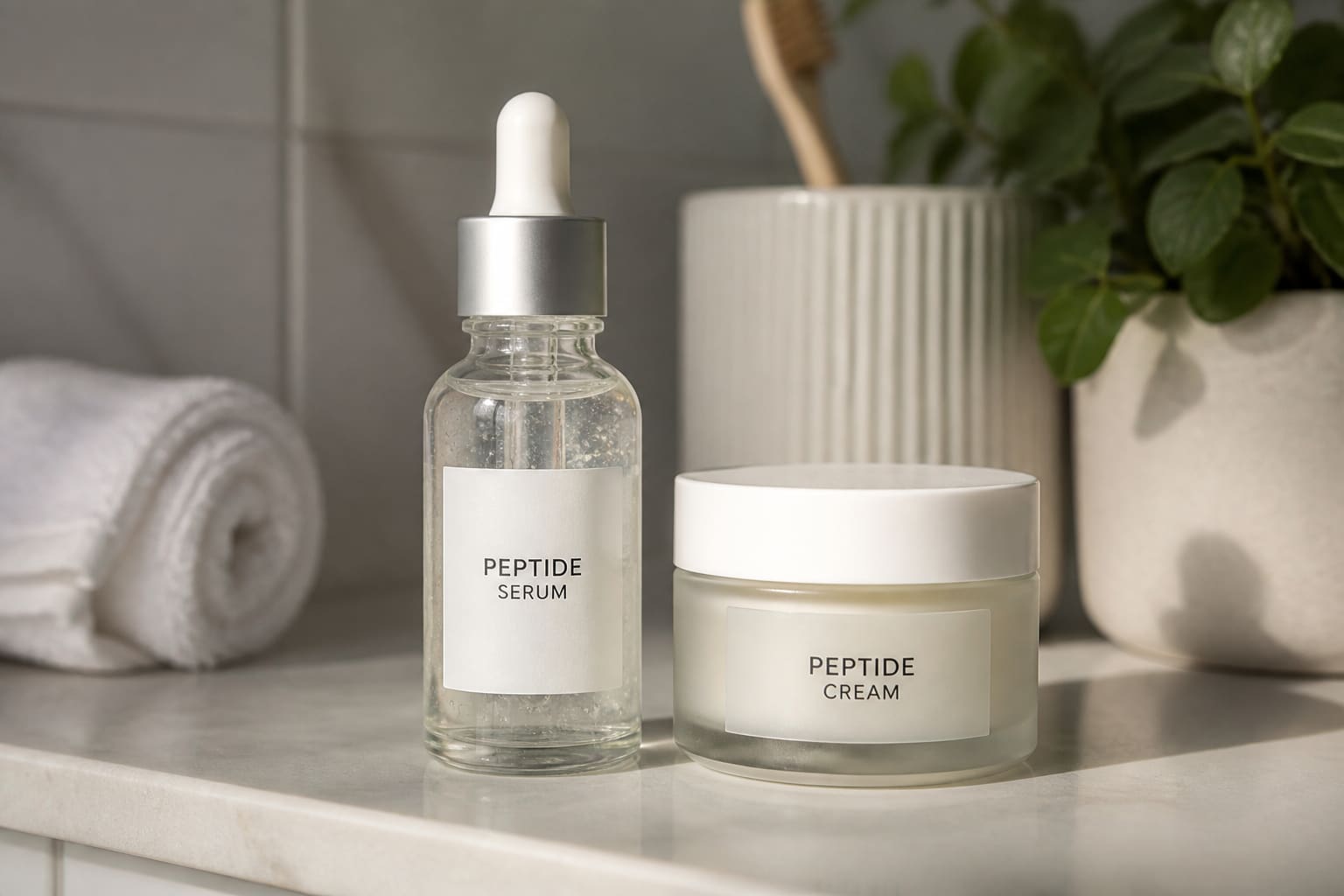
Peptides are short chains of amino acids that show up in many serums and creams. Wellness and beauty sites (including trending Healthline skincare pieces) keep the topic hot. Here’s a calm beginner guide — cosmetic education, not a cure claim for disease.
What Peptides Are Trying to Do
In skincare marketing, peptides are often positioned to support the look of:
- Firmer-feeling skin
- Smoother texture over time
- Barrier comfort when formulas are well made
Results vary. Concentration, overall formula, sunscreen habits, and genetics matter more than a buzzword on the box.
How to Shop Without Getting Played
| Tip | Why |
|---|---|
| Patch test | Avoid nasty reactions |
| Pair with sunscreen | Daytime UV undoes a lot of “anti-age” work |
| Simple routine first | Cleanser → moisturiser → SPF beats 12 serums |
| Ignore miracle timelines | “Erase 10 years in 3 days” is marketing |
| Check expiry / storage | Heat in Ghana shops can stress products |
Sensible Routine Slot
If you try a peptide serum: clean skin → peptide product → moisturiser → SPF in the morning. Introduce one new product at a time.
When to See a Clinician / Dermatologist
Sudden rashes, cystic acne flares, or pigment conditions need professional care — not another TikTok serum stack.
FAQ
Are injectable “peptides” the same thing?
No. Clinic injectables and cosmetic cream peptides are different worlds. Don’t mix advice from bodybuilding forums with face cream labels.
Can darker skin tones use peptide products?
Skincare is individual — patch test and choose fragrance-light formulas if you’re sensitive. A dermatologist helps for melasma or stubborn dark spots.
Original Sen Gideons News Studio editorial. Not medical or dermatology advice.